
search
Master the balance between relentless fraud detection and strict ethical standards to gather unshakeable evidence and protect organizational integrity.
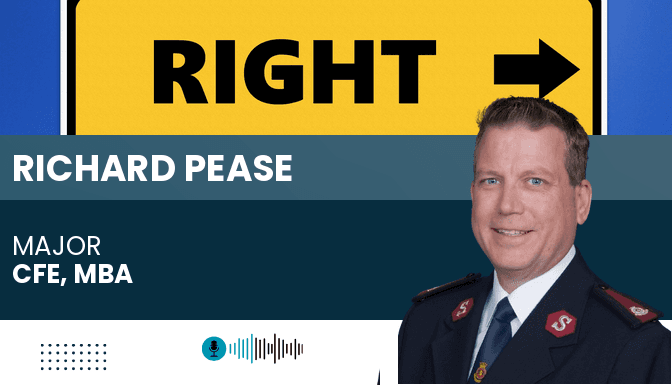
Fraud and misconduct investigations are increasingly conducted under intense scrutiny, where outcomes are judged not only on findings, but on the fairness, integrity, and defensibility of the investigative process itself. Ethical missteps can compromise evidence, undermine credibility, and expose organisations to significant legal, regulatory, and reputational risk—even when wrongdoing is proven.
This practical course provides a structured guide to conducting ethical, fair, and defensible investigations in fraud, misconduct, and organisational risk matters. It explores how investigators can maintain independence, manage bias, and uphold procedural fairness while working under pressure and within complex stakeholder environments. From scoping and evidence handling to interviews, reporting, and leadership decision-making, participants will gain practical frameworks to strengthen investigative integrity and build trust in outcomes across all stages of the investigative lifecycle.
Key Topics Discussed:
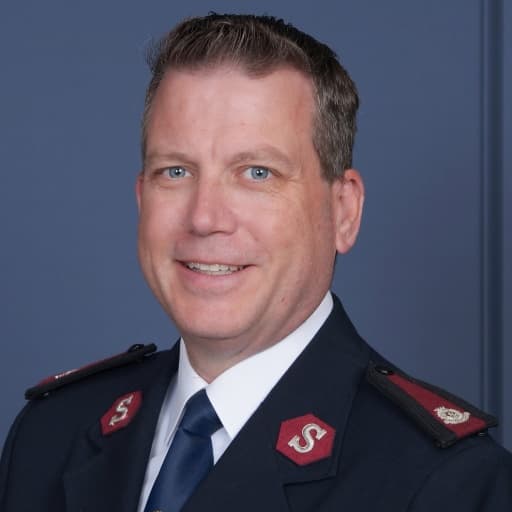
Major, CFE, MBA
Richard L. Pease is a mission-driven nonprofit leader with experience in social services, emergency response operations, and organizational leadership. He currently serves in a leadership role with The Salvation Army Lodi Corps, where he is involved in community support programs, operational coordination, and service delivery for vulnerable populations. He has a background in nonprofit management and holds professional credentials including Certified Fraud Examiner (CFE) and an MBA. His work spans humanitarian services, disaster response coordination, and community outreach initiatives across multiple regions in the United States. Richard is recognized for his commitment to service-oriented leadership, with a focus on strengthening community programs, improving operational effectiveness, and supporting long-term social impact initiatives.